Pricing your kit fee is one of the trickiest parts of freelancing in production. Charge too little and your gear never pays for itself. Charge too much and you price yourself out of jobs. Most crew members set their rate based on what they've heard other people charge, then never revisit it.
This guide provides concrete rate benchmarks for 2026 across camera, lighting, audio, and drone packages. It also covers how to justify your rate to producers, how to adjust for different markets, and when it's time to raise your kit fee.
Camera package rates
Camera kit fees vary widely based on the system you're shooting on. Here are realistic 2026 daily rates by tier.
Entry-level cinema packages ($200 to $400 per day)
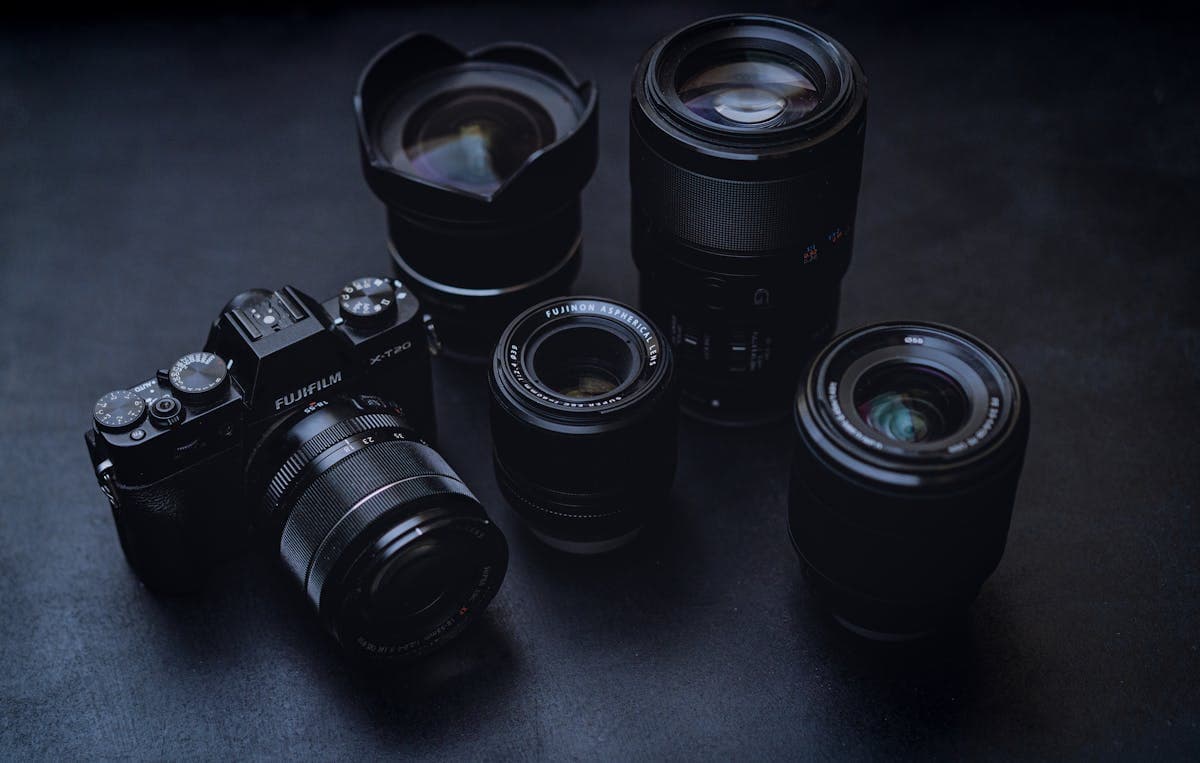
- Sony A7S III or A7 IV with two to three lenses
- Basic tripod (Manfrotto, Benro)
- Minimal accessories
- Total kit value: $5,000 to $10,000
This tier is common for corporate video, social media content, and smaller documentary projects. The gear is capable but isn't what most narrative or commercial productions are looking for.
Mid-range cinema packages ($500 to $800 per day)
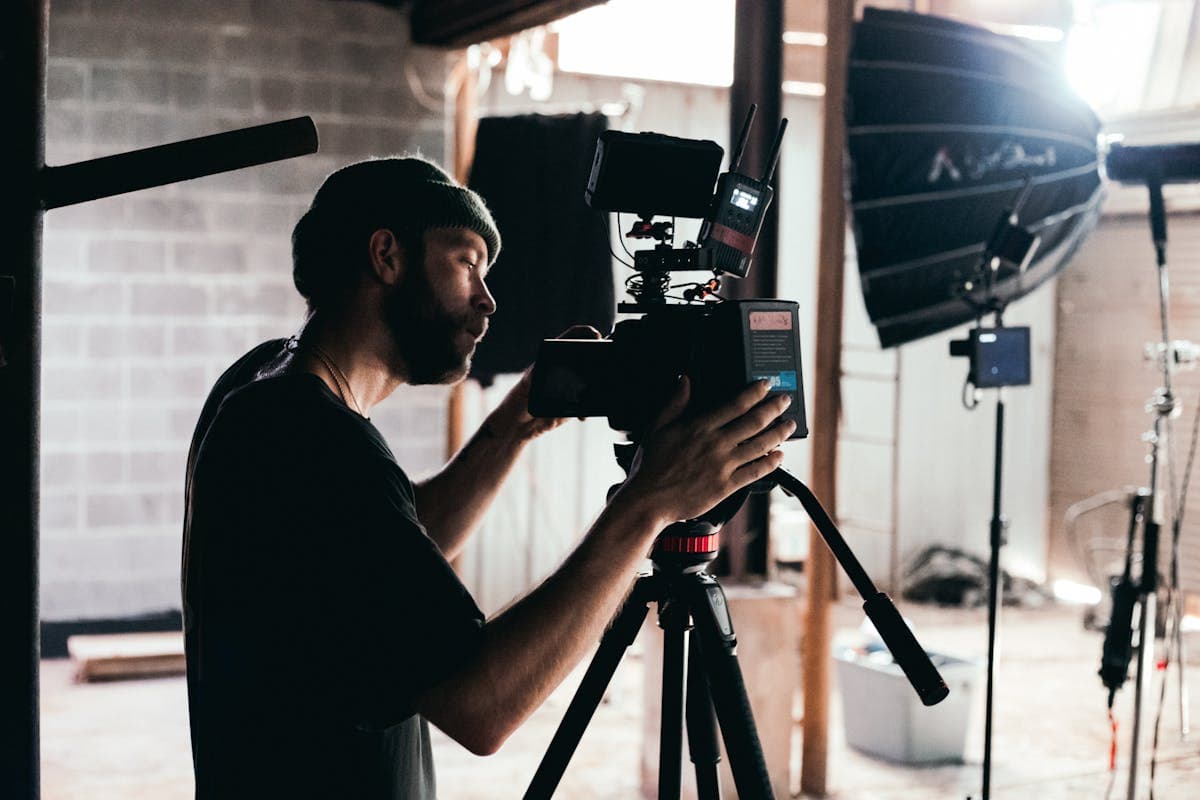
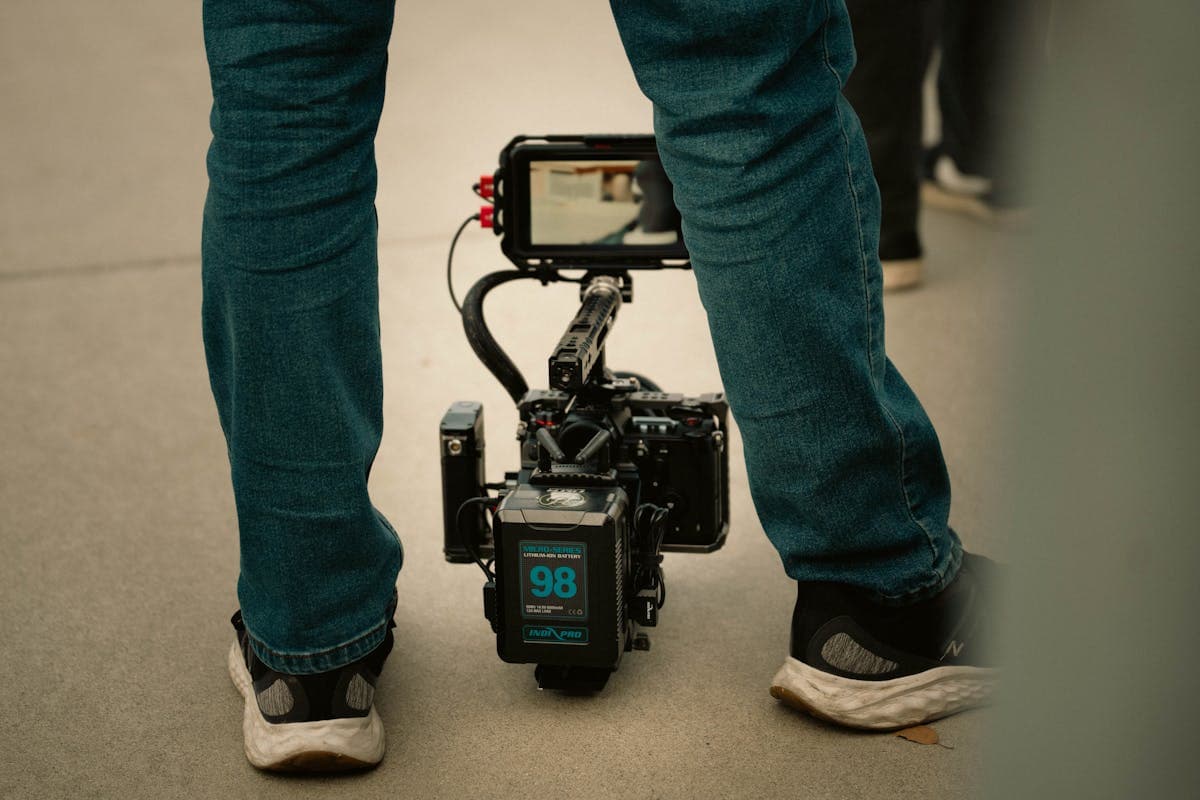
- Sony FX6, Canon C70, or Blackmagic Pocket Cinema Camera 6K Pro
- Three to four quality lenses (zoom and prime mix)
- Professional tripod system (Sachtler, OConnor)
- Production monitor (SmallHD, Atomos)
- Full battery and media kit
- Total kit value: $15,000 to $25,000
This is the sweet spot for most working camera operators. The gear handles commercial, documentary, and corporate work well. Productions at this budget level expect a complete, ready-to-shoot package.
High-end cinema packages ($1,000 to $2,000+ per day)
- RED V-Raptor, ARRI Alexa Mini, Sony Venice 2
- Full cinema lens set (Cooke, Zeiss, Angenieux)
- Professional support (OConnor, Cartoni)
- High-end monitoring, wireless video
- Full accessory package
- Total kit value: $50,000 to $150,000+
At this tier, you're competing directly with rental houses. Productions choosing to use your kit instead of renting separately are paying a premium for convenience and your expertise with the system.
Lighting and grip package rates
Gaffer and electrician kit fees follow a different logic. Lighting gear is heavier, bulkier, and generally has a longer usable lifespan than camera equipment.
Basic LED package ($150 to $300 per day)
- Two to three LED panels (Aputure, Nanlite)
- Basic stands
- Small diffusion and gel kit
- Total kit value: $3,000 to $8,000
This covers interview setups, simple product shoots, and small corporate videos. Productions hiring a gaffer with a basic package usually don't have budget for a separate grip truck.
Full lighting and grip package ($350 to $600 per day)
- Four to six light fixtures (mix of LED and possibly HMI)
- C-stands (six to twelve)
- Diffusion frames, silks, solids
- Power distribution
- Gel and diffusion library
- Sandbags, grip hardware
- Total kit value: $12,000 to $30,000
This is the workhorse tier for commercial and narrative gaffers. You're providing enough gear that the production doesn't need a supplemental rental house order for most setups.
Large lighting package ($800 to $1,500+ per day)
- HMI units (M18, M40)
- Large LED fixtures (Aputure 600d Pro, ARRI SkyPanel)
- Full grip truck inventory
- Generator or tie-in capability
- Total kit value: $40,000 to $100,000+
At this level, you're essentially running a small rental operation out of your truck.
Audio package rates
Basic location audio ($200 to $350 per day)
- Recorder (Sound Devices MixPre-6 or similar)
- Two wireless lav systems (Lectrosonics, Wisycom)
- Boom mic and pole
- Total kit value: $6,000 to $12,000
Full production audio ($400 to $700 per day)
- Multi-channel recorder (Sound Devices 888, Scorpio)
- Four to six wireless systems
- Two boom mics, IFB/comms system, timecode boxes
- Total kit value: $20,000 to $50,000
Audio gear depreciates slowly and lasts for years. Wireless systems are the exception, as frequency regulations can force upgrades every few years.
Drone package rates
Drone operators often charge a combined rate that includes both labor and kit, but separating them is still good practice.
Standard drone package ($250 to $500 per day, kit only)
- DJI Inspire 3 or Mavic 3 Pro
- Three to four batteries
- ND filter set
- Monitor or controller screen
- Total kit value: $8,000 to $20,000
Advanced aerial package ($500 to $1,000+ per day, kit only)
- Heavy-lift platform (Freefly Alta X, DJI Matrice)
- Cinema camera payload
- Multiple battery sets
- Specialty lenses
- Total kit value: $25,000 to $80,000+
Drone equipment has a shorter lifespan than most other production gear. New models come out frequently, and older drones lose market value fast. Your kit fee needs to account for this accelerated depreciation cycle.
Factors that affect your rate
Your kit fee isn't just about what your gear cost. Several other factors should influence your pricing.
Gear value and replacement cost. This is the foundation. More expensive gear justifies a higher fee.
Insurance. Production equipment insurance premiums for a $25,000 kit typically run $500 to $1,000 per year. That's $10 to $20 per working day that your kit fee needs to cover. These are among the hidden costs that many crew members forget to factor in.
Wear and tear. Budget roughly 3% to 5% of your kit's value per year for maintenance and minor replacements. On a $20,000 kit, that's $600 to $1,000 per year.
Replacement timeline. Camera bodies typically need replacing every three to five years. Lenses last longer. Grip gear can last a decade. Your kit fee should be high enough that each item pays for itself before it needs to be replaced.
Completeness of the package. A production that can show up and start shooting with zero supplemental rentals will pay more for that convenience.
How to justify your kit fee to a producer
The conversation usually goes something like this: a producer looks at your rate card, sees $750 per day for the camera package, and asks if you can do it for less.
Here's how to respond effectively.
Compare to rental house pricing. Pull up the rental house rate for equivalent gear. A Sony FX6 body alone rents for $400 to $500 per day. Add lenses, a monitor, a tripod, and accessories, and you're looking at $800 to $1,200 per day from a house. Your $750 all-in package is already a significant discount.
Emphasize the convenience factor. When a production rents from a house, someone has to pick up the gear, check it out, return it, and deal with any issues. When they hire you with your kit, all of that is handled. No pickup, no returns, no learning curve with unfamiliar equipment.
Highlight reliability. You know your gear inside and out. You've maintained it, you know its quirks, and you can troubleshoot on the fly. That reliability has real value on a shoot where time is money.
Don't cave immediately. If a producer pushes back on kit fee, explore what they actually need. Maybe they don't need the full package. Offer a stripped-down kit at a lower rate instead of just discounting your full package.
The relationship between kit fee and payback period
Your kit fee directly determines how long it takes for your equipment to pay for itself. This is worth calculating before you set your rate.
Example: You own a camera package worth $20,000 and charge $750 per day. If you allocate 100% of the kit fee to the equipment, you need 27 working days to pay for the entire kit. At 40 kit fee days per year, that's about eight months to breakeven.
Now imagine you lower your rate to $500 per day under pressure from a client. Same $20,000 kit, but now you need 40 working days to break even. At 40 days per year, that's a full year just to recoup your costs before you start earning actual profit on the gear.
That $250 per day difference extends your payback by four months. Over the life of the equipment, the lower rate could cost you thousands of dollars.
This is why knowing your payback numbers matters before you negotiate. You need to understand the minimum rate that makes financial sense for your kit.
Rental IQ calculates this automatically. Enter your kit value and your working days, and you can see exactly how different kit fee rates affect your payback timeline. It takes the guesswork out of pricing decisions.
When to raise your kit fee
Many crew members set their kit fee once and never touch it. That's a mistake. Here's when you should raise your rate.
When you add significant gear. If you upgrade from an FX6 to a RED V-Raptor, your kit value just doubled or tripled. Your kit fee should increase proportionally.
When your costs go up. Insurance premiums increase. Replacement parts get more expensive. If your cost of ownership is rising, your rate should follow.
When the market shifts. If rental house prices go up across the board, your kit fee has room to increase too.
When you're booking consistently. If you're working every week and never hearing pushback on your rate, you're probably undercharging. Test a modest increase on your next bid and see what happens.
Annually, at minimum. Even if nothing specific has changed, review your kit fee once a year. Inflation alone justifies a 3% to 5% annual increase.
Setting your rate with confidence
The best way to price your kit fee is to work backward from the numbers. Know what your gear costs. Know how fast it depreciates. Know how many days you expect to work with it. Then calculate the daily rate that covers your costs and generates a reasonable return within a timeline that makes sense.
If your $20,000 kit needs to pay for itself within 18 months and you expect to work 40 kit fee days per year, that's 60 working days. $20,000 divided by 60 is $333 per day as the absolute floor. Add insurance, wear and tear, and a profit margin, and you're looking at $500 to $750 per day as a realistic rate.
Don't guess. Don't just ask what your friends charge. Run the math, set a rate that makes financial sense, and be prepared to explain your number to any producer who asks. The gear purchase calculator can help you model these numbers before you commit to a rate.