Every piece of production equipment you own is losing value right now. The question isn't whether your gear depreciates. It's how fast, and whether you're accounting for it in your decisions about what to buy, what to rent, and when to sell.
Most gear owners have a general sense that cameras lose value faster than lenses. But few know the actual rates. And almost nobody factors depreciation into their rental income calculations. This means the numbers most owners use to evaluate their gear are incomplete by default.
Here's what the depreciation curves actually look like across the major equipment categories.
Camera bodies: fast and front-loaded
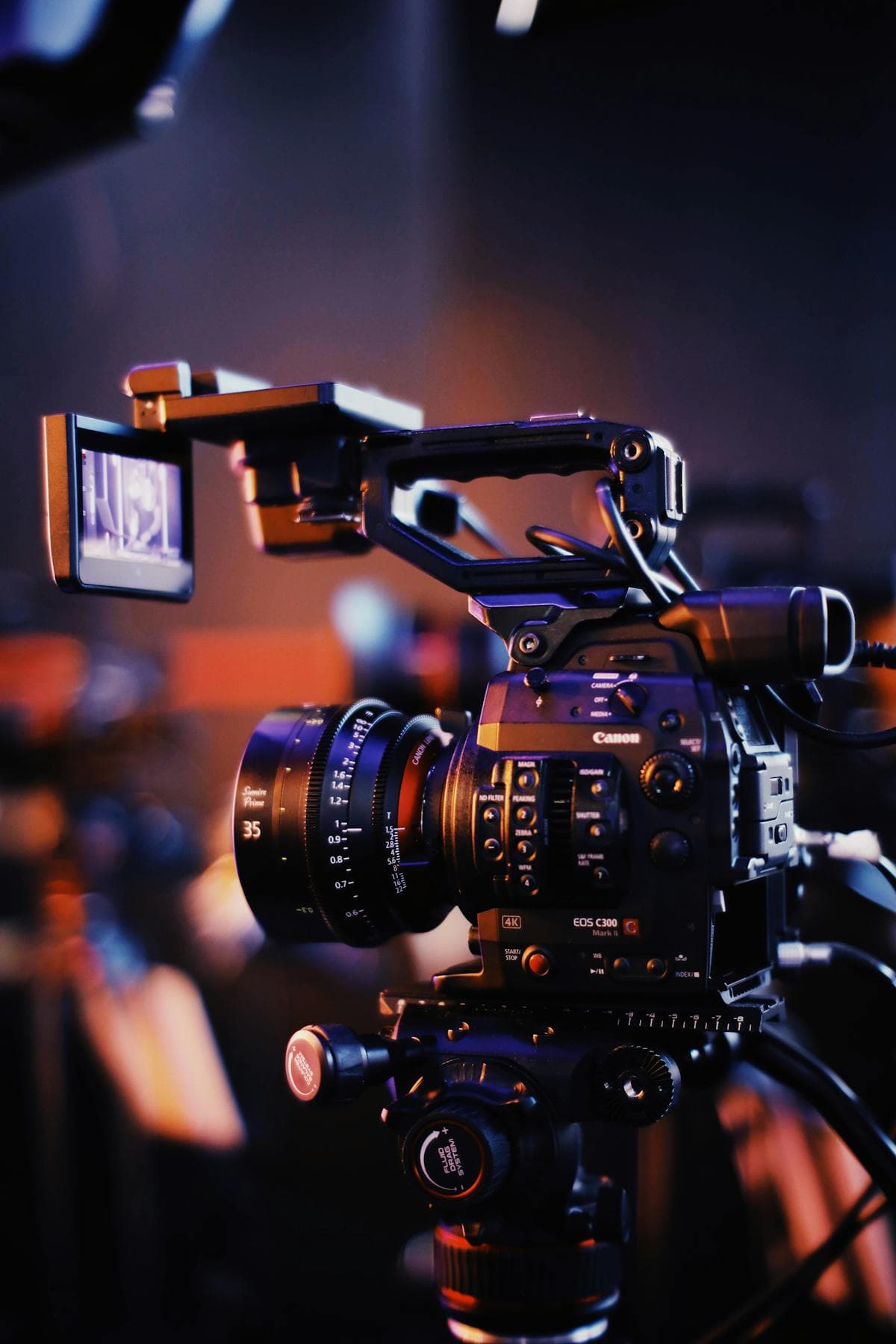
Camera bodies depreciate more aggressively than any other category of production equipment. The pattern is consistent across brands and price points.
In the first year after purchase, a camera body typically loses 15% to 25% of its value. This is partly the "new to used" price gap (the instant depreciation when an item is no longer new-in-box) and partly the market's anticipation of the next generation.
By year two, total depreciation reaches 25% to 40%. By year three, 35% to 55%. By year four, most camera bodies have lost 45% to 65% of their original purchase price.
The curve is steepest in the first two years and gradually flattens. A five-year-old camera body doesn't depreciate much further because the used price has already settled near a floor. But that floor is typically 35% to 50% of the original price, meaning you've absorbed a significant loss. The tax implications of depreciation, including Section 179 expensing, can offset some of that impact.
What accelerates depreciation: New model announcements are the single biggest driver. When Sony announces the FX3 II, every used FX3 on the market drops in value overnight. This is unpredictable and can happen at any point in the product cycle. Bodies from brands with faster release cycles (Sony, Blackmagic) tend to depreciate faster than bodies from brands with longer cycles (RED, ARRI).
What slows depreciation: Camera bodies that become widely adopted as rental standards depreciate more slowly than niche products. The Sony FX3, Canon C70, and RED Komodo have large installed bases, which creates ongoing demand in the used market even as newer models appear. Bodies with unique capabilities (specific sensor sizes, proprietary color science, raw recording formats) also hold value better than generalist bodies.
Depreciation by price tier
Budget cinema cameras ($1,000 to $2,500 new) like Blackmagic Pocket cameras depreciate about 5% to 6% per year on average, but the absolute dollar loss is smaller. A $2,000 camera losing 25% over two years has lost $500. The low purchase price means the depreciation is more manageable relative to potential rental income.
Mid-range cinema cameras ($3,000 to $7,000 new) like the Sony FX3, Canon C70, and RED Komodo depreciate at roughly the same percentage rate (15% to 25% in year one) but the absolute losses are larger. A $6,000 camera losing 20% in year one has lost $1,200.
High-end cinema cameras ($10,000 and up) follow a different pattern. They depreciate more slowly in percentage terms (10% to 15% per year) because there are fewer competing products and the buyer pool is more specialized. But the absolute dollar depreciation is the largest: a $25,000 camera losing 10% per year is losing $2,500 annually.
Lenses: slow and steady
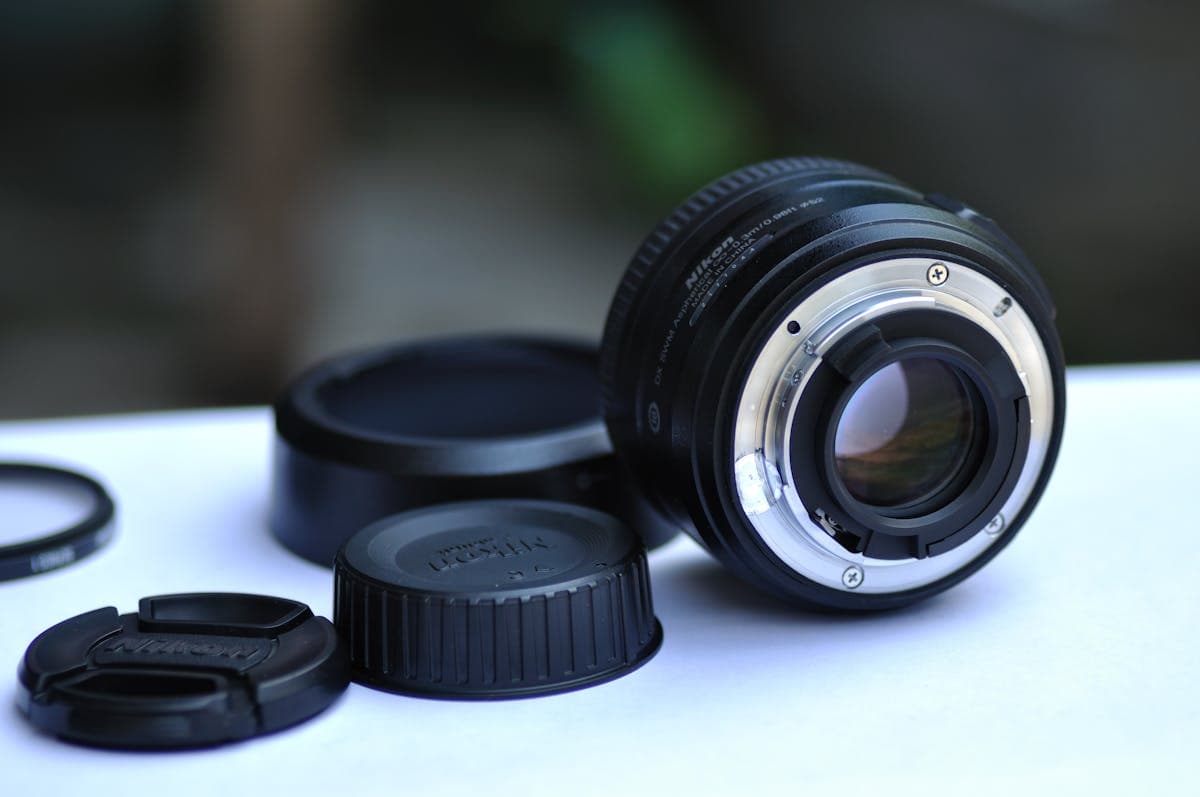
Lenses are the best value retainers in the production equipment world. The physics of optics don't change with firmware updates, and a good lens made five years ago is optically identical to one made today.
Quality photo lenses (Canon L-series, Sony G Master, Nikon S-line) typically lose 3% to 5% per year. A $2,200 Canon EF 16-35mm f/2.8L III purchased new and held for four years might sell for $1,800 to $1,900 used. That's only 15% to 18% total depreciation over four years.
Cinema lenses depreciate even more slowly, at roughly 2% to 4% per year. High-end cinema glass like Canon CN-E, Sigma Cine, and Zeiss CP.3 lenses are built to last decades, and the used market reflects this. A set of Sigma Cine primes purchased for $5,000 might be worth $4,200 to $4,500 three years later.
Vintage and specialty lenses can actually appreciate in value. Certain vintage cinema lenses (Cooke Speed Panchros, Zeiss Super Speeds) and adapted lenses with character (Helios 44-2, Canon FD) have increased in market value as demand for distinctive optical looks has grown.
What accelerates lens depreciation: New mount systems. When Canon shifted from EF to RF mount and Sony from A-mount to E-mount, the value of lenses on the legacy mount dropped. Not dramatically, because adapters exist, but enough to create a measurable gap. If you're buying lenses now, consider whether the mount is current or on its way out.
What slows lens depreciation: Condition matters more for lenses than for any other category. A lens in excellent condition with no fungus, haze, or scratches holds near its original used price indefinitely. A lens with optical issues drops significantly. Proper storage and maintenance directly protects your investment.
Accessories: the middle ground
Accessories span a wide range of depreciation rates depending on the category.
Monitors (SmallHD, Atomos) depreciate at about 8% to 12% per year. New models with brighter screens and better features push older models down, but the fundamentals of a good field monitor remain relevant for years. A $700 SmallHD purchased three years ago might sell for $400 to $500 today.
Wireless follow focus systems depreciate at 10% to 15% per year. The Tilta Nucleus-M is a good example: purchased for $600 two years ago, it sells for $350 to $450 today. Newer, lighter, and more reliable systems push older models down.
Gimbals and stabilizers depreciate aggressively at 15% to 25% per year. The technology improves rapidly (better motors, lighter weight, more payload capacity), and the used market is flooded with previous-generation models. A DJI RS3 Pro purchased for $700 eighteen months ago might sell for $350 to $450.
Tripods and fluid heads depreciate very slowly, at 2% to 5% per year. A good tripod is a good tripod. A Sachtler or Manfrotto fluid head system holds its value nearly as well as lenses, especially in the professional tier.
Lighting equipment depreciation varies widely. LED panels from established brands (Aputure, Litepanels) hold value reasonably well at 8% to 12% per year. Tungsten and HMI fixtures depreciate faster as LED alternatives become more powerful and affordable.
How depreciation affects your rental ROI
Here's where depreciation becomes directly relevant to your rental business.
Consider two items in your inventory:
Camera body: Purchased for $4,000. Earns $1,200 per year in net rental income. Depreciates at 20% per year ($800 per year in lost value).
Net annual gain from ownership: $1,200 - $800 = $400 per year.
Lens: Purchased for $2,000. Earns $600 per year in net rental income. Depreciates at 4% per year ($80 per year in lost value).
Net annual gain from ownership: $600 - $80 = $520 per year.
The camera earns twice as much in rental income. But the lens produces a higher net gain because it barely depreciates. If you're comparing investment opportunities purely on financial return, the lens is the better investment despite the lower gross revenue. Knowing which gear earns the most requires looking at depreciation-adjusted returns, not just daily rates.
This is why total return (rental income plus resale value minus purchase cost) is a more useful metric than rental income alone. Understanding how to calculate ROI with real examples requires factoring in both sides of this equation. An item that earns well but depreciates fast can be a worse investment than an item that earns modestly but holds its value.
When to sell: the depreciation timing window
The optimal time to sell a piece of rental equipment is when the intersection of three curves works in your favor.
Payback progress should be at or above 100%. The item has paid for itself. Every additional rental day is profit. You've extracted the maximum value from the rental income stream.
Depreciation curve should be approaching a steepening point. For camera bodies, this often coincides with new model announcements. For lenses, there's usually no urgent timing pressure. Selling before a major depreciation event preserves more resale value.
Booking frequency decline signals that market demand for your specific item is dropping. If rental inquiries have slowed over the past six months, the item may be losing relevance in the rental market. Selling before demand drops further gets you a better price.
The ideal scenario is selling an item that has fully paid for itself through rentals, still holds reasonable resale value, and is starting to see declining booking frequency. A data-driven framework for knowing what to buy, keep, and sell makes these timing decisions more precise. You've maximized rental income, captured remaining resale value, and freed up capital to invest in the next generation of gear.
Tracking depreciation alongside earnings
Most gear owners track income and depreciation separately, if they track depreciation at all. Income lives in Sharegrid exports or bank statements. Depreciation lives in mental estimates or not at all.
Rental IQ tracks both in the same view through its depreciation tracking feature. Enter your purchase cost and approximate purchase date, and the platform estimates current market value and depreciation based on equipment category. You can see cumulative earnings and current estimated value side by side, giving you the total return picture for every item in your inventory.
Your gear is losing value every day. The only question is whether it's earning enough to offset that loss, and the only way to answer that question is to measure both sides of the equation.