Not all camera gear earns equally on the rental market. Some items pay for themselves in months. Others take years. And a few never break even at all.
If you're thinking about buying gear specifically to rent it out, or trying to decide what to add to an existing rental kit, the answer isn't just "buy the most expensive camera you can afford." Knowing how much you can realistically make renting camera gear is a good starting point. The best rental gear balances purchase cost, daily rate, demand frequency, and depreciation curve in ways that most buying guides don't consider.
This guide is built around what actually performs on peer-to-peer platforms like Sharegrid, not what's popular on YouTube review channels.
What makes gear profitable to rent
Before looking at specific items, it helps to understand the four factors that determine rental profitability.
Daily rate is the most obvious factor, but it's also the most misleading on its own. A camera body that rents for $250 a day sounds great, but if it cost $6,500 and only books six times a year, the payback timeline stretches past four years. Meanwhile, a $1,200 lens renting at $45 a day but booking 30 times a year pays for itself in under a year.
Booking frequency is what separates good rental gear from gear that sits idle. Items in categories with broad demand (cinema cameras, standard zoom lenses, wireless follow focus systems) book more consistently than niche items, even if the niche items have higher daily rates.
Purchase cost determines your break-even threshold. Lower cost items reach profitability faster, which means less risk. A $1,500 lens that earns $40 per rental day needs about 50 rental days to pay for itself after fees. A $7,000 camera body at $200 per rental day needs about 47 rental days, but the absolute dollar amount at risk is much higher.
Depreciation rate affects your total return. Camera bodies lose value quickly, especially when new models launch. Lenses hold value significantly better, as the data on depreciation rates across categories shows. Accessories like monitors, follow focus units, and wireless systems depreciate moderately. This matters because your total return includes both rental income and resale value when you eventually sell.
Cinema cameras that earn their keep
The Sony FX3 continues to be one of the strongest performers in the rental market heading into 2026. Sharegrid's own data ranked it as the highest-earning and most-rented item on the platform in 2025. Its combination of a relatively accessible price point (around $3,500 used), strong daily rates ($100 to $150 depending on market), and broad appeal to both narrative and commercial shooters makes it a reliable earner.
The Blackmagic Pocket Cinema Camera 6K Pro occupies a different niche. Its purchase price is significantly lower (around $1,500 to $2,000 used), and daily rates are more modest ($60 to $90). But the lower cost basis means payback timelines are shorter. If you're looking for gear that reaches profitability fast and carries low risk, Blackmagic bodies are worth considering.
The RED Komodo 6K sits at the higher end. Purchase prices around $5,000 to $6,000 used, with daily rates of $150 to $250 depending on accessories included. The Komodo rents well in production-heavy markets, but booking frequency can be lower than the Sony or Blackmagic options. It's a strong earner in absolute terms but takes longer to pay for itself.
The Canon C70 and Sony FX6 both perform solidly in the mid-range. Daily rates of $125 to $200, purchase prices of $3,500 to $4,500 used. Both have broad market appeal and book consistently.
Avoid buying top-tier flagship cinema cameras ($15,000 and up) specifically for rental income. The comparison of RED vs ARRI vs Sony rental returns shows that daily rates don't scale proportionally with cost, booking frequency drops because fewer renters need that level of camera, and depreciation when new models launch can be severe.
Lenses with the best rental ROI
Lenses are generally the best risk-adjusted rental investment you can make. They depreciate slowly, book frequently, and have a long productive lifespan.
Standard zooms are the workhorse category. The Canon EF 24-70mm f/2.8L II, Canon EF 70-200mm f/2.8L IS II/III, and their Sony equivalents rent consistently at $35 to $60 per day. Purchase prices are $1,200 to $2,000 used, and these lenses hold 70% or more of their value over five years. A well-maintained standard zoom can pay for itself two or three times over before you sell it.
Cinema lens sets are higher commitment but can be very profitable. A set of Rokinon/Samyang Cine DS primes (24mm, 35mm, 50mm, 85mm) can be assembled for around $1,200 to $1,500 total and rented as a set for $60 to $100 per day. The entry-level price point keeps risk low, and demand for cinema prime sets is consistent.
Higher-end cinema glass like Canon CN-E primes or Sigma Cine primes commands $100 to $200 per day for a set. The higher daily rate is offset by a higher purchase price ($3,000 to $8,000 per set used), so the payback timeline is similar to budget cinema glass in percentage terms.
Specialty lenses like macro, tilt-shift, and ultra-wide options can be worth adding to diversify your kit, but they book less frequently. Think of them as portfolio supplements rather than primary earners.
Accessories that punch above their weight
Some of the best ROI in rental comes from accessories that are relatively inexpensive to buy but essential for productions to rent.
Wireless follow focus systems like the Tilta Nucleus-M ($400 to $600 used) rent for $30 to $50 per day and book constantly. Productions need them, individual shooters don't want to own them. The payback timeline can be under three months.
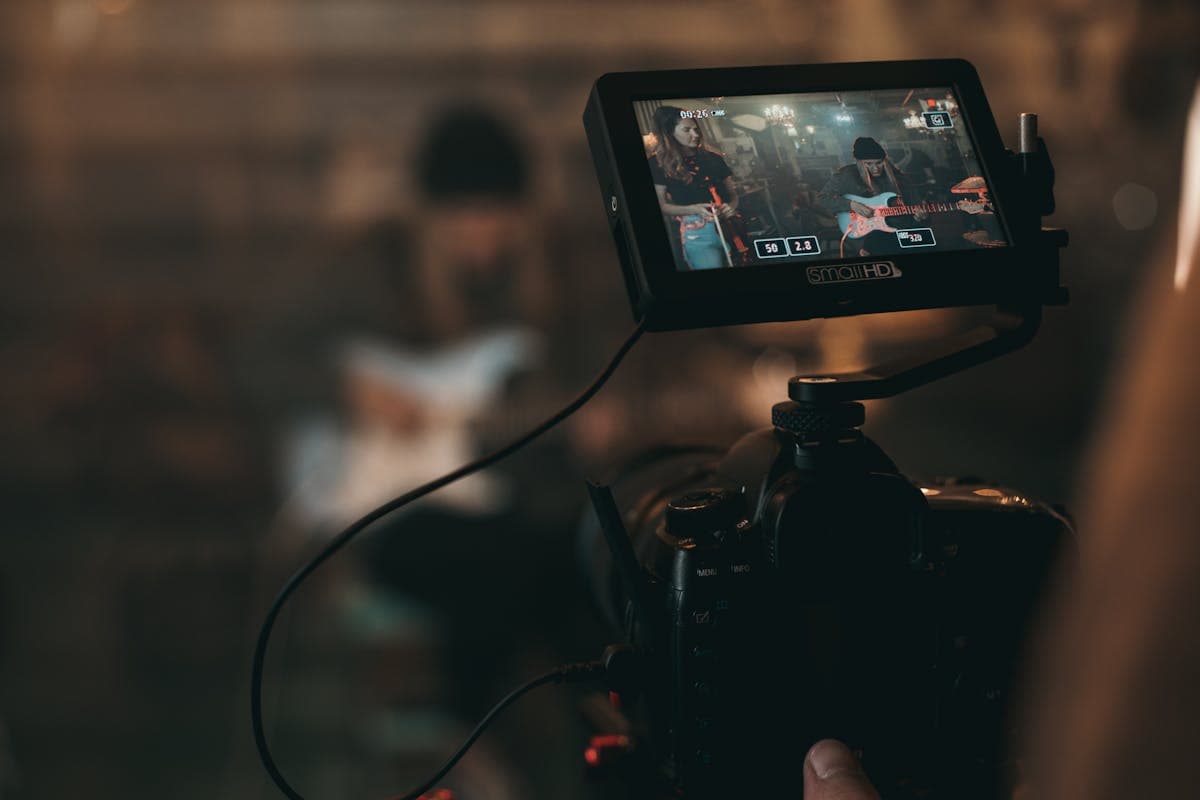
Monitors in the 5 to 7 inch range (SmallHD, Atomos) at $300 to $800 used rent for $25 to $50 per day. Similar story: consistent demand, low cost basis, fast payback.
Wireless video transmitters like the Hollyland Mars series ($250 to $500) rent for $30 to $60 per day. High demand on multi-camera productions.
Gimbal stabilizers (DJI RS series, $400 to $700 used) rent at $40 to $75 per day. Booking frequency depends on your market, but the low cost makes them low-risk additions.
The pattern is clear: items that productions need on every shoot but individual shooters don't want to own outright are the sweet spot for rental accessories.
Building a starter rental kit
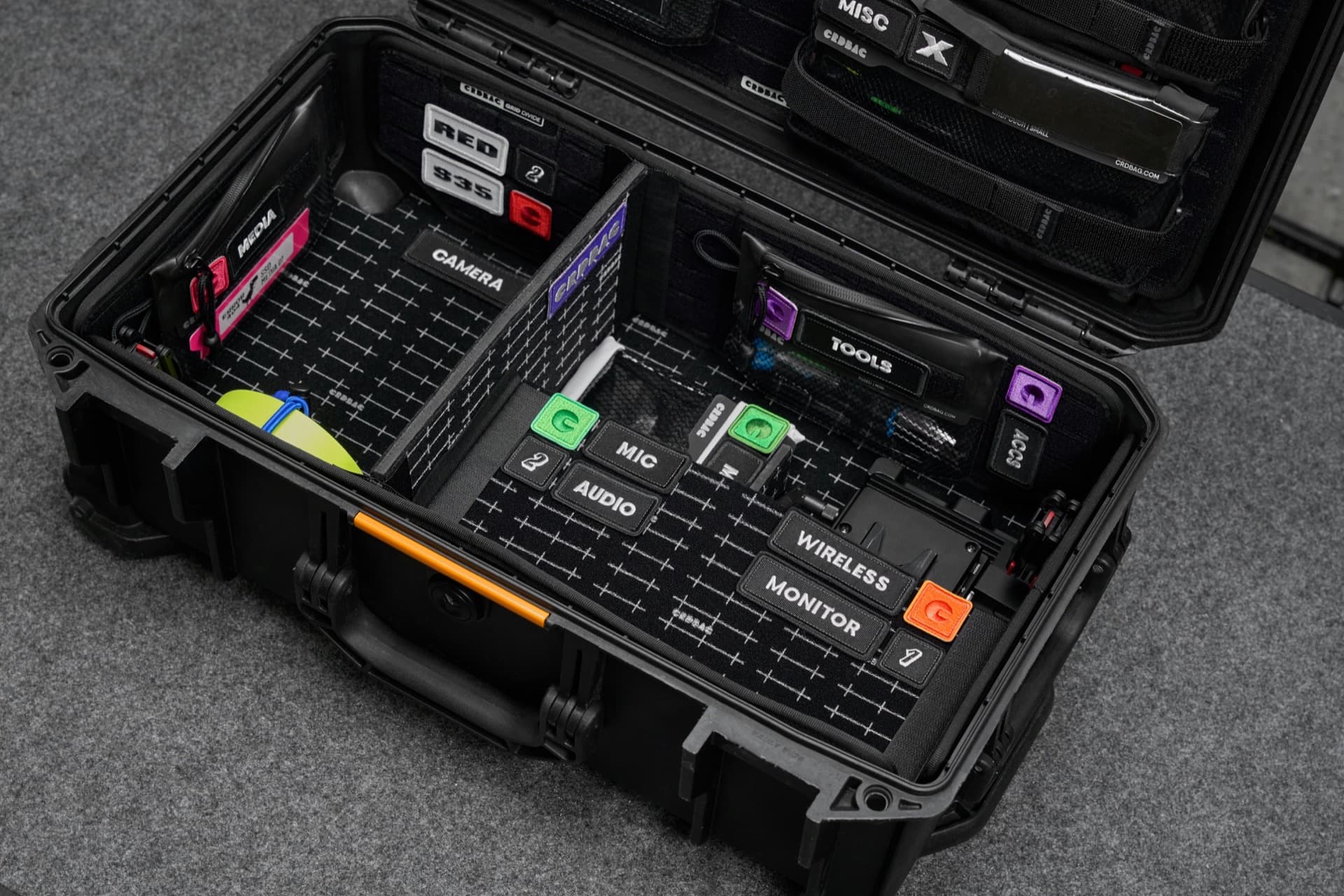
If you're starting from zero and want to build a kit optimized for rental income, here's a practical allocation for a $5,000 budget.
Start with a mid-range cinema camera body. A used Blackmagic 6K Pro ($1,500 to $2,000) gives you the lowest cost basis and fastest path to profitability. Pair it with a standard zoom (Canon EF 24-70mm f/2.8L II, around $1,200 used) and a telephoto zoom (Canon EF 70-200mm f/2.8L IS II, around $1,200 used).
Add a wireless follow focus (Tilta Nucleus-M, $500) and a 5 to 7 inch monitor (SmallHD or Atomos, $500). Total outlay: roughly $4,500 to $5,500.
This kit can rent as a package for $150 to $250 per day, or individual items can go out separately. At three to four booking days per month (achievable in most major markets), you're looking at payback within 12 to 18 months.
What to avoid buying for rental
Some categories look attractive but perform poorly as rental investments.
Lighting kits have high demand but brutal logistics. They're heavy, fragile, and take up significant storage space. Damage rates are higher than camera gear. Unless you're building a dedicated lighting rental house, the overhead outweighs the income for most individual owners.
Drones depreciate fast, require insurance and licensing, and carry liability risk. The rental rates are decent ($100 to $300 per day), but the regulatory and insurance overhead makes them impractical for most casual renters.
Audio equipment (wireless lav kits, shotgun mics, mixers) rents well but at lower daily rates ($20 to $50 per item). The margins are thin unless you're renting full audio packages. Worth adding as supplements but not as primary investments.
Outdated camera bodies more than two generations old are hard to rent regardless of price. Even at $50 per day, booking frequency drops off a cliff when renters can get a newer body for $75. The exception is if the older body has a specific use case (like a dedicated B-camera for multicam shoots), but that's a narrow market.
Tracking what actually earns
The biggest mistake new rental owners make is buying based on specs and reviews rather than actual rental performance data. A camera that wins awards doesn't necessarily win bookings.
After you've purchased gear and started renting, the next step is tracking what each item actually earns. Learning how to calculate ROI with real examples gives you the framework. Not total revenue, but per-item net earnings after platform fees and discounts.
Rental IQ was built for exactly this. Import your Sharegrid data and see payback progress, net earnings, and ROI for every piece of gear in your inventory. Use the gear purchase calculator to model expected returns before you buy. It's the difference between hoping your gear pays for itself and knowing which items already have.