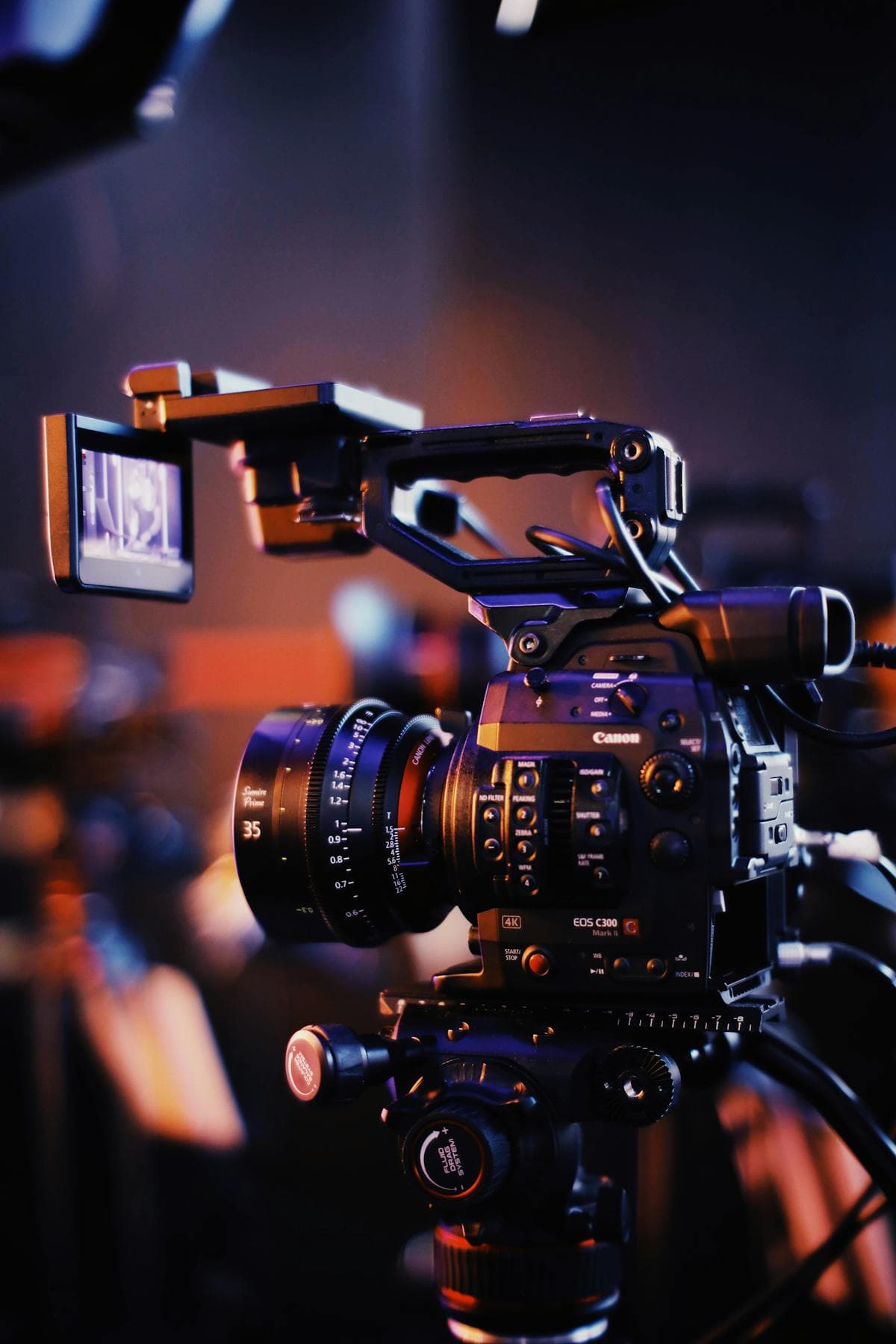
When someone asks whether renting out camera gear is profitable, the answer usually comes in the form of a simple calculation: rental income minus platform fees. And by that math, the numbers look great. A $5,000 camera renting for $200 a day, even after Sharegrid's 15% cut, should pay for itself in about 35 booking days. If you get 8 bookings a month, that's paid back in under 5 months.
But nobody actually earns that much. Platform fees are the most visible cost, but they're far from the only cost. There's a whole layer of expenses that eat into your rental profits that most owners never account for. Understanding these costs is the difference between running a profitable rental business and running one that just feels profitable.
Platform fees: the cost everyone knows about
Sharegrid takes 15% of the rental subtotal on the owner's side. This is the one cost every gear owner knows about, and it's the easiest to calculate. On a $200 single-day rental, that's $30. On a $500 three-day booking, it's $75.
But the effective fee rate is actually higher than 15% when you factor in multi-day discounts. Sharegrid's shoot-day pricing model reduces the billable amount on longer rentals, and the 15% fee is applied after those reductions. On a five-day rental where the shoot-day conversion and multi-day discounts reduce your gross to $420, the $63 fee is still 15% of that reduced amount. But as a percentage of what you'd have earned at your listed daily rate ($875), the total platform cost is over 50%.
This isn't a hidden fee per se, but it's a cost that's consistently larger than owners realize when they think of it as "just 15%."
Insurance and protection costs
Sharegrid includes a basic equipment protection program, but the coverage has limits. Standard protection covers damage during the rental period up to the equipment's listed replacement value. But there are exclusions and deductibles that matter.
If you're renting high-value gear (cinema cameras, anamorphic lenses, lighting packages worth $10,000 or more), relying solely on platform protection is risky. Many serious rental operators carry their own inland marine insurance or a dedicated equipment insurance policy. These policies typically run $500 to $2,000 per year depending on the total value of your inventory.
That annual insurance premium is a real cost of doing business. If your total rental income is $12,000 per year and insurance costs $1,200, that's 10% of your revenue just for protection. It doesn't show up in any per-transaction calculation, but it absolutely affects your bottom line.
Maintenance and cleaning time
Gear that goes out on rental needs to be inspected, cleaned, and tested when it comes back. Every single time. This isn't optional if you want to maintain your equipment and your reviews.
A basic camera kit turnaround involves cleaning the sensor, checking the lens mount, verifying all functions, reformatting media, charging batteries, and repacking the case. For a mid-size kit, this takes 30 to 45 minutes. For a larger package with lighting, grip, and multiple camera accessories, it can take over an hour.
If you value your time at $50 per hour (and you should, since this is time you're not shooting, editing, or doing other paid work), that 45-minute turnaround costs you about $37.50 per rental cycle. Over 80 rental transactions per year, that's $3,000 in labor. Some owners handle this themselves and don't think of it as a cost. It is.
You also need cleaning supplies, compressed air, sensor swabs, lens cloths, and occasional replacement cables or accessories. Budget $200 to $400 per year for consumables.
Wear and tear: accelerated depreciation from rental use
All equipment depreciates. But rental equipment depreciates faster than gear that's used only by its owner. This is the cost that almost nobody accounts for properly.
A camera body that you use personally might see 50 days of use per year. That same camera on rental might see 100 to 150 days. The shutter count is higher. The buttons get worn. The ports get loose from repeated cable insertions. The body picks up cosmetic scuffs that reduce resale value even if everything still works perfectly.
Rental use roughly doubles the normal depreciation rate for most equipment. A camera body that might retain 60% of its value after two years of personal use might only retain 40% to 45% after two years of active rental use. On a $5,000 camera, that's an extra $750 to $1,000 in lost resale value directly attributable to rental wear.
Cinema lenses handle rental life better than camera bodies since they have fewer moving parts and are built for heavy use. But even lenses pick up cosmetic damage, focus ring wear, and occasionally internal issues from being jostled in transit.
Damage that insurance doesn't cover
Insurance and platform protection have gaps. Understanding these gaps before they cost you money is important.
Cosmetic damage is the most common gap. A renter returns your camera with scratches on the body, scuffs on the screen, or dents in the cage. The camera works fine. But the resale value just dropped $300 to $500, and platform protection won't cover cosmetic damage on a functional item.
Accessories that go missing are another common issue. A renter returns the camera but the extra battery, the lens cap, or the HDMI cable is missing. Each item is worth $20 to $80 individually, often below the threshold for a damage claim, but they add up. Budget $300 to $500 per year for accessory replacement if you're renting actively.
Sensor damage from improper lens changes, stripped screw threads from over-tightening, and water damage from shoots in the rain are all scenarios that can result in partial or denied claims depending on the circumstances and the documentation you can provide.
Shipping and delivery costs
If you offer delivery or ship gear to renters, those costs come directly out of your margin. Even local delivery by car involves gas, parking, and time. A 30-minute each-way trip to deliver and pick up gear costs you an hour of time plus fuel. At $50 per hour for your time plus $10 in fuel, that's $110 per rental cycle for delivery.
Shipping costs more and adds risk. Insured shipping for a camera kit can run $40 to $100 each way. That's $80 to $200 per rental in shipping costs alone, plus the non-zero risk of transit damage even with proper cases.
Most Sharegrid rentals are local pickup, which eliminates shipping costs. But even local pickup isn't free. If you're meeting renters at your location, you still need to be available at specific times, which has an opportunity cost. If you're traveling to meet them, you're spending time and gas.
Opportunity cost: when your gear is unavailable
This is the hidden cost that nobody puts in a spreadsheet: when your gear is out on rental, you can't use it for your own paid work.
If you're a working DP and your main camera kit is rented out on the weekend, you can't take a weekend shoot that comes in last minute. If that shoot would have paid $2,000 and your rental payout is $400, you just lost $1,600 in opportunity cost. This doesn't mean renting is wrong. It means you need to think about which gear to rent and when.
The cleanest approach is to separate your rental inventory from your personal working kit. Gear that you depend on for paid work should not be on rental platforms, or should only be listed during periods when you're confident you won't need it. Gear bought specifically for rental income doesn't carry this opportunity cost.
Administrative time: the invisible overhead
Managing rentals takes time that's easy to dismiss but adds up quickly. For each booking, you're spending time on messages (answering questions, confirming details, coordinating pickup times), preparing the gear, handling the handoff, and managing the return.
A typical rental cycle involves 5 to 10 messages, plus the physical handoff time. At an average of 15 to 20 minutes of communication per booking and 30 minutes for the physical exchange, each rental costs you about an hour of administrative time.
For a business doing 6 to 8 rentals per month, that's 6 to 8 hours of admin work. Not overwhelming, but not nothing. It becomes significant when you realize that those hours could have been spent on billable work.
Calculating your true net margin
Here's an example that puts all these costs together. Let's say you have a Canon C70 camera kit that cost $6,500 total. Over 12 months, it generates $8,400 in gross rental payouts from Sharegrid.
| Cost Category | Annual Amount |
|---|---|
| Gross rental income | $8,400 |
| Sharegrid fees (already deducted) | Included in gross |
| Insurance (your policy, prorated) | -$600 |
| Maintenance time (60 rentals x $37.50) | -$2,250 |
| Accessory replacement | -$400 |
| Accelerated depreciation (extra value loss) | -$750 |
| Administrative time (60 hours x $50) | -$3,000 |
True net income: $1,400
That's a 17% net margin on a business that looks like it's generating $8,400 in revenue. The camera will take about 4.5 years to pay back at this rate, not the 9 months the simple ROI calculation suggested.
Your actual numbers will vary. Maybe you don't value your time at $50 per hour. Maybe your insurance is cheaper. Maybe you have fewer rentals and less admin overhead. The specific numbers matter less than the exercise of actually accounting for all costs. And don't forget the tax implications of equipment rental income, which can offset some of these expenses.
Why most owners overestimate their profit
The core problem is that most rental income tracking only captures the obvious costs. Platform fees are deducted automatically. Everything else is invisible unless you actively track it.
Rental IQ tracks your net earnings per item after all platform fees and discounts, giving you the most accurate picture of what each piece of gear actually earns. Combined with your equipment purchase costs, it shows you real payback timelines and ROI figures based on actual data.
The gap between perceived profit and real profit is usually wider than people expect. The owners who run profitable rental businesses long-term are the ones who understand all their costs, not just the ones that show up in a platform dashboard. Start tracking the full picture, and you'll make much better decisions about what gear to buy, what to price it at, and when to sell.