Building a kit is exciting. You're investing in your career, picking out gear you've been eyeing for months, and imagining all the jobs you'll land with a better package. But excitement is not a business plan.
The crew members who build kits that actually pay for themselves approach it differently. They think about what productions need, not just what they want. They calculate payback timelines before buying. They prioritize items that earn fast and skip items that look impressive but rarely get used.
This guide walks through how to build a production kit strategically, whether you're starting from scratch with $5,000 or scaling an existing package toward $30,000 or more.
Think about your kit as an investment portfolio
Every item in your kit is an individual investment. Some will earn their money back quickly. Some will take years. Some never will.
When you buy a stock, you evaluate its expected return before committing your money. You should evaluate gear the same way. Before you buy anything, ask three questions:
- Will this item be on every job, most jobs, or only occasional jobs?
- What is the payback timeline at my current kit fee rate and booking frequency?
- If I don't buy this, can I rent it when needed for less than I'd earn from owning it?
An item that goes on every job and pays for itself in six months is a great investment. An item that goes on 20% of your jobs and takes three years to break even deserves serious scrutiny.
This doesn't mean you should only buy items with fast payback. Some essential tools have longer payback periods but are necessary to compete for work. The point is to make that decision consciously, with numbers, instead of defaulting to "it would be nice to have."
What productions expect you to bring
Before you can build a kit that earns, you need to understand what productions are actually willing to pay for. This varies by role.
Camera operators and directors of photography
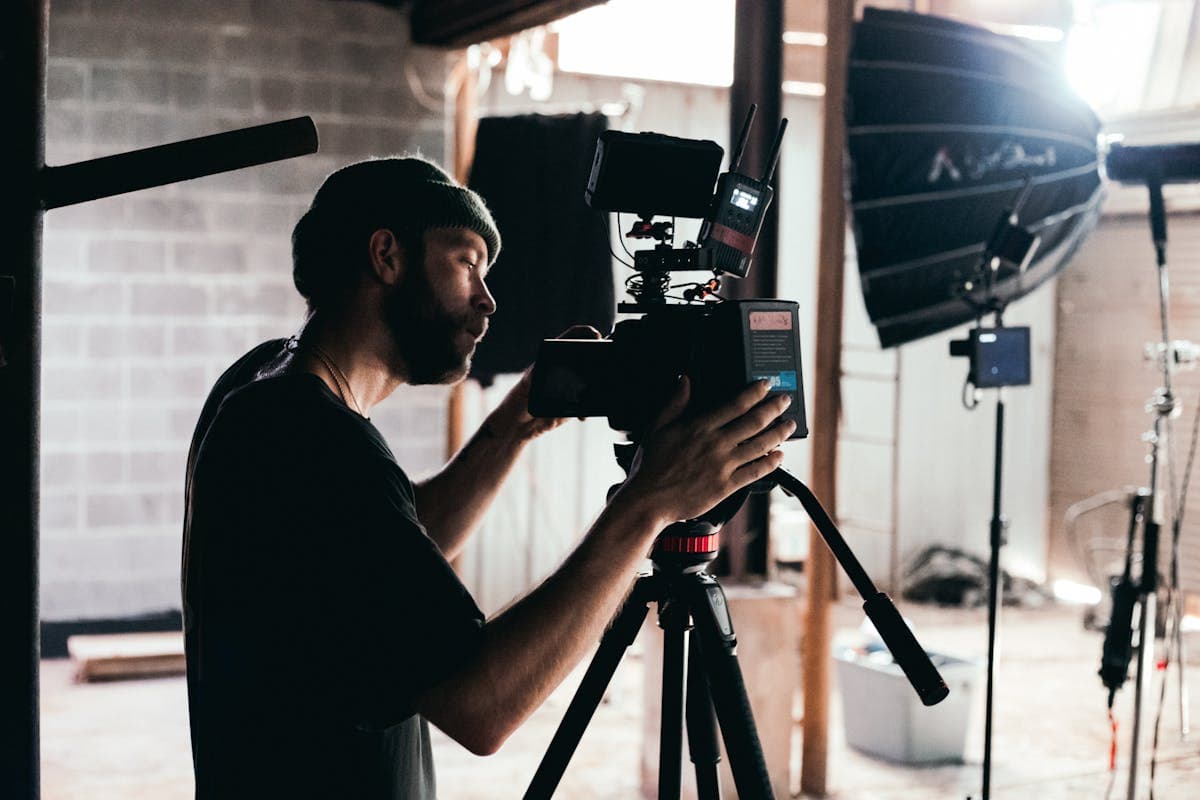
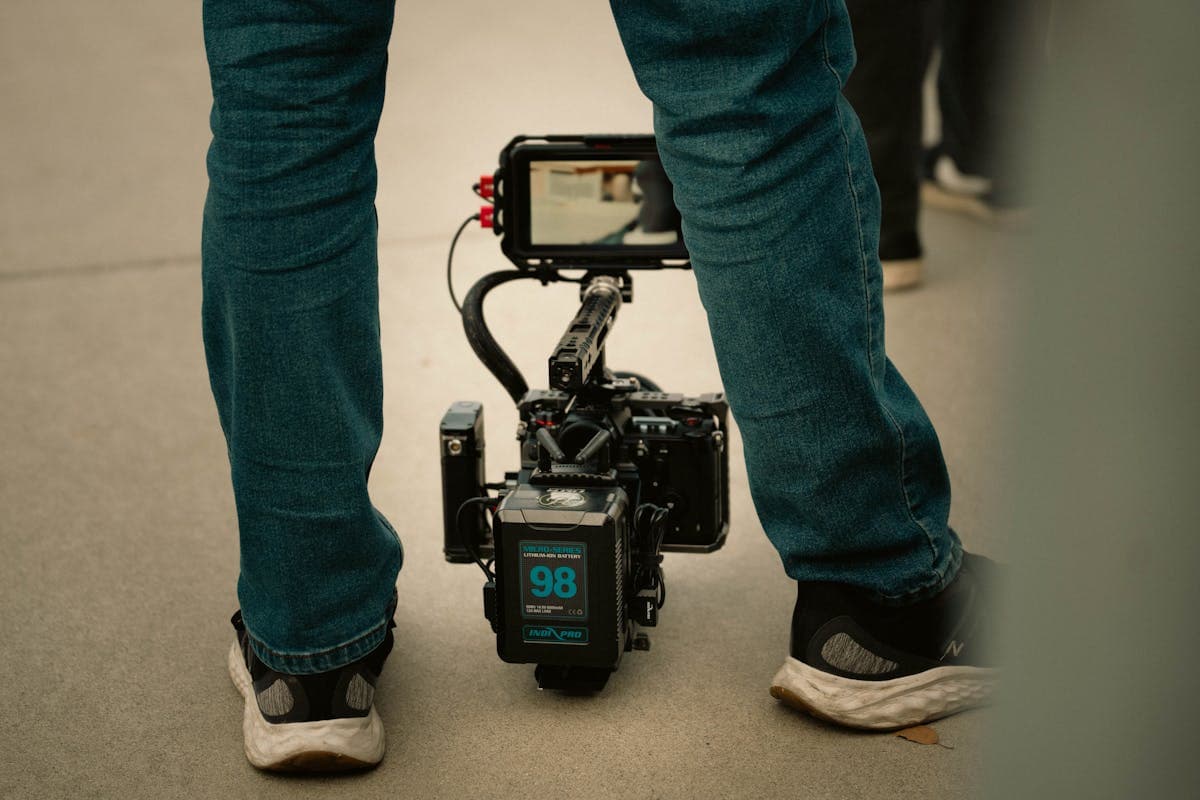
Productions hiring a camera op with a kit expect a complete, shoot-ready camera package. At minimum, that means:
- Camera body capable of the delivery format they need
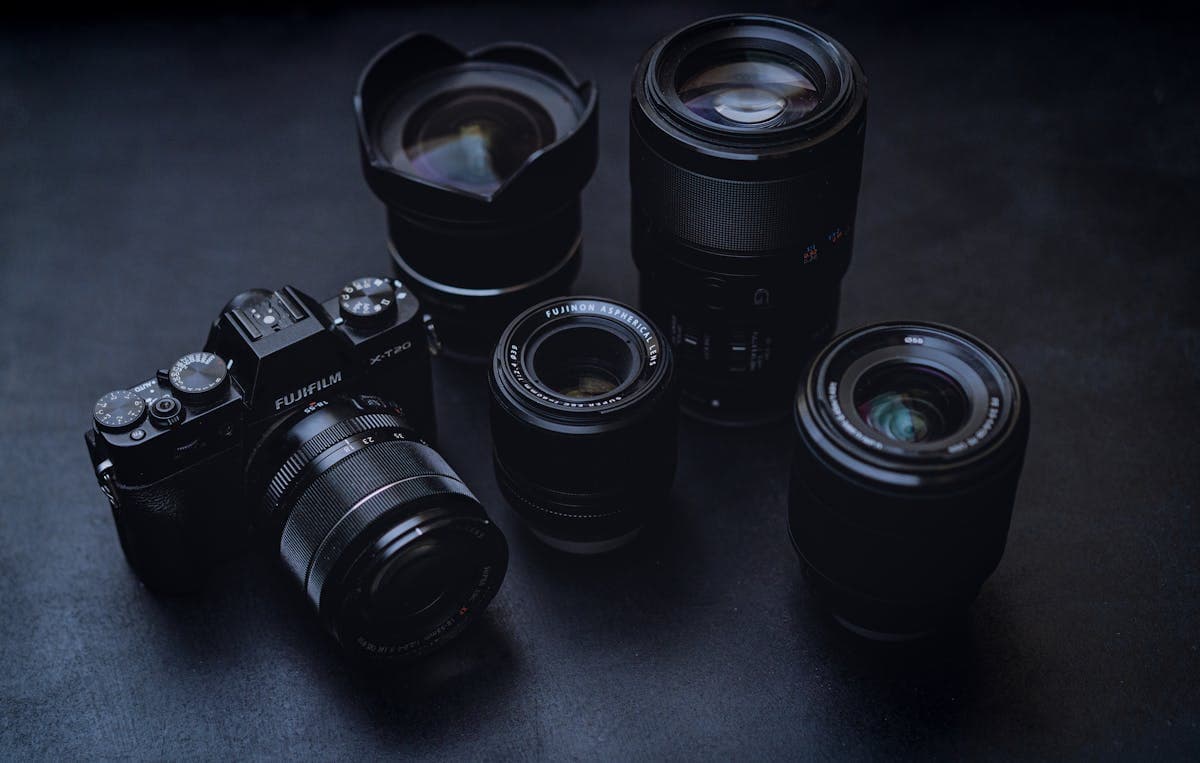
- At least two lenses covering a useful range (typically a mid-range zoom and either a wide zoom or a set of primes)
- Professional tripod and fluid head
- Production monitor
- Batteries and media sufficient for a full shoot day
- Basic accessories (cables, lens cleaning, tool kit)
That's the baseline. Without those items, you don't have a rentable kit. Everything above that baseline is an addition that may or may not increase your kit fee depending on the market and the production.
Gaffers
A gaffer with a kit is expected to bring a functional lighting package: two to four light fixtures, C-stands and light stands, basic grip (diffusion frames, silks, flags), sandbags, power distribution, and expendables like gels and tape.
Sound mixers
Production audio requires a multi-channel recorder, at least two wireless lavalier systems, a boom microphone and pole, headphones, and basic cables. Timecode solutions are expected for multi-camera work.
Drone operators
A drone operator needs an aircraft rated for the work, three or more batteries, ND filters, spare propellers, a monitor, and a landing pad.
In each case, the production is paying your kit fee because it saves them the cost of renting separately. Your kit has to be complete enough that they don't need to supplement it.
Kit essentials versus rate boosters
Within any kit, there are two categories of items:
Essentials are the items you must have to book the job at all. Without a camera body, you're not a camera op with a kit. These items are non-negotiable and form the baseline of your kit fee.
Rate boosters are items that increase your package's value and justify a higher kit fee: cinema primes on top of your zoom lenses, a wireless video transmitter, a second monitor for the director. These items let you charge more because you're providing more.
Essentials earn their keep through volume because they're on every single job. Rate boosters earn through margin because they increase the daily kit fee. The kit fee pricing guide covers how to set and justify a rate that reflects your full package. Start by completing your essentials. Only add rate boosters once the essentials are paid for and you have data showing the higher rate will stick.
Starter kit by role with budget ranges
Here are realistic starter kits for each role, designed to get you working and earning as quickly as possible.
Camera operator starter kit: $8,000 to $12,000
| Item | Budget Range |
|---|---|
| Camera body (Sony FX30, Blackmagic 6K) | $1,800 to $2,500 |
| Mid-range zoom (24-70mm f/2.8 or similar) | $1,200 to $2,300 |
| Telephoto zoom (70-200mm f/2.8) | $1,200 to $2,800 |
| Tripod system (Sachtler Ace, Manfrotto 504X) | $600 to $1,200 |
| On-camera monitor (SmallHD, Atomos) | $500 to $1,000 |
| Battery kit (four V-mount or BP batteries) | $400 to $800 |
| Media and accessories | $300 to $600 |
Expected kit fee: $300 to $500 per day Payback at 35 days per year: 12 to 18 months
This kit gets you in the door for corporate, documentary, and lower-budget commercial work. The camera body is the compromise, as lower-tier bodies limit the productions you can pitch for. See the best gear to buy for rental income for current recommendations on which bodies offer the best return.
Gaffer starter kit: $5,000 to $10,000
| Item | Budget Range |
|---|---|
| LED panels x2 (Aputure 300d, Nanlite Forza) | $1,200 to $2,400 |
| LED panel x1 smaller unit (fill/hair light) | $300 to $600 |
| C-stands x6 | $600 to $1,200 |
| Light stands x4 | $200 to $400 |
| Diffusion frames and silk | $400 to $800 |
| Sandbags (set of 12) | $150 to $300 |
| Gel and diffusion kit | $200 to $400 |
| Power (stingers, power strips, adapters) | $200 to $400 |
| Expendables starter pack | $150 to $300 |
Expected kit fee: $200 to $350 per day Payback at 40 days per year: 8 to 14 months
Lighting and grip gear has some of the best payback in the business. The items are durable, rarely need replacing, and productions always need them.
Sound mixer starter kit: $8,000 to $15,000
| Item | Budget Range |
|---|---|
| Recorder (Sound Devices MixPre-6 II, Zoom F6) | $700 to $1,700 |
| Wireless lav system x2 (Lectrosonics, Wisycom, Deity) | $2,000 to $6,000 |
| Boom mic (Sennheiser MKH 50 or 416) | $1,000 to $1,600 |
| Boom pole | $200 to $500 |
| Headphones | $200 to $400 |
| Cables, adapters, accessories | $300 to $600 |
| Bag or cart | $300 to $800 |
Expected kit fee: $250 to $400 per day Payback at 40 days per year: 10 to 18 months
Audio gear lasts a long time and depreciates slowly. A quality boom mic bought today will still be earning you money in ten years. Wireless systems need periodic upgrades but still have multi-year useful lives.
Scaling from a $5,000 kit to a $30,000 kit
The path from a starter kit to a full professional package should be driven by data, not desire.
Phase 1: Build the essentials ($5,000 to $12,000). Get a complete, bookable kit and start working. Your priority is volume: get enough kit fee days to start generating payback data.
Phase 2: Upgrade the bottleneck ($12,000 to $20,000). After six to twelve months of tracking, you'll see which item is limiting you. For camera ops, it's usually the camera body. Upgrade the item that's keeping you from higher-paying jobs, and raise your kit fee accordingly. You can calculate whether your kit has paid for itself before deciding what to upgrade.
Phase 3: Add rate boosters ($20,000 to $30,000). Once your essentials are at or near 100% payback, add items that justify a higher daily rate. If you add $3,000 in gear and can't raise your rate by at least $50 per day, think twice.
Phase 4: Optimize and replace ($30,000+). You're maintaining, not building. Replace worn-out items. Sell items with poor payback. Your focus shifts from growth to return on investment.
Prioritizing purchases based on payback potential
When you're deciding what to buy next, rank your options by expected payback speed. Here's a general hierarchy:
Fastest payback (buy first):
- Items used on every job (camera body, primary lens, recorder, key lights)
- Items with low cost relative to their kit fee allocation (grip gear, cables, sandbags)
- Durable items with long useful lives (lenses, C-stands, boom mics)
Moderate payback (buy second):
- Items used on most jobs (secondary lenses, additional lights, extra wireless channels)
- Items that justify a kit fee increase (better monitor, cinema primes, higher-end lights)
Slowest payback (buy last or rent instead):
- Specialty items used on a few jobs per year (jib, slider, specialty lenses)
- Items that depreciate fast relative to earning (drone aircraft, cutting-edge tech)
- Items that don't increase your kit fee (cosmetic upgrades, duplicate items)
This hierarchy isn't absolute. Your specific work mix matters. If you shoot real estate 80% of the time, a drone is a fast-payback item for you even though it's slow-payback for a narrative camera op. Prioritize based on your actual jobs, not general advice.
Tracking what works and adjusting over time
Building a kit that pays for itself is not a one-time exercise. It's an ongoing process of tracking, evaluating, and adjusting. Every quarter, review your kit's performance. Which items have the highest payback? Which are lagging? Are you carrying items to every job that rarely get used? Has your kit fee kept pace with your kit's growing value?
Rental IQ makes this review straightforward. The platform tracks payback at the item level, shows trends over time, and helps you model the impact of potential purchases before you commit. Instead of guessing whether a new lens or light will earn its keep, you can project its payback based on your actual work history using the gear purchase calculator.
Building with intention
The difference between a crew member with $30,000 worth of gear that barely breaks even and one with $15,000 worth of gear that's paid for itself twice over usually isn't the quality of the gear. It's the decision-making process behind each purchase.
Buy what productions need, not what looks impressive on a shelf. Track what each item earns. Upgrade based on data. Sell what isn't working. And always know your numbers before you negotiate your kit fee.
Your kit is a business asset. Build it like one.